About Etp plant revamping
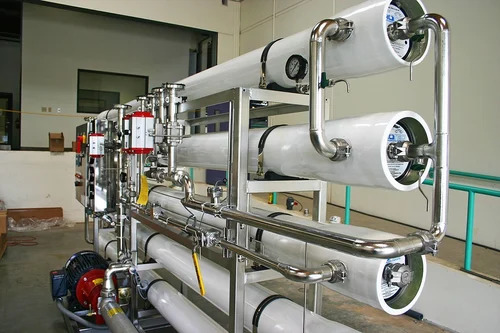
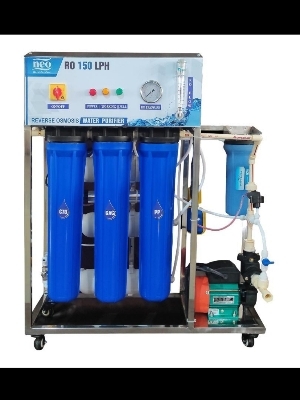
ETP Plant Revamping is a comprehensive service designed to upgrade, modify and improve existing Effluent Treatment Plants (ETP) to enhance their treatment efficiency, performance and operational reliability. We provide customized ETP plant revamping solutions by upgrading existing equipment, replacing outdated machinery, improving treatment processes and incorporating advanced technologies to meet current pollution control standards. Key Features: Upgradation of existing ETP plants. Replacement of old pumps, motors and pipelines. Installation of advanced filtration systems. Improvement in biological and chemical treatment processes. Automation and PLC control system upgradation. Improvement in treated water quality. Energy-efficient equipment installation. Sludge management system improvement. Complete testing and commissioning.
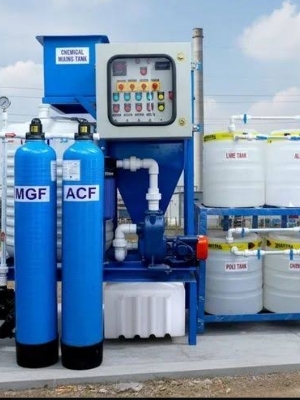
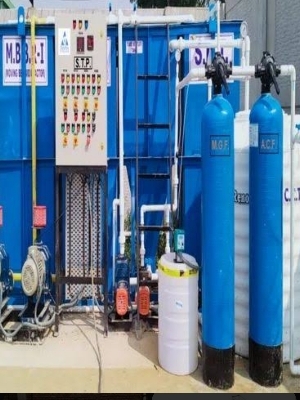
Integrated Automation and Flow ControlUtilizing PLC-based automation, our revamped ETPs provide intelligent and reliable plant operation. Optional flow sensors and automatic regulation valves ensure precise control over effluent flow rates and dosing, optimizing process efficiency and reducing operator intervention. This level of control results in consistent treatment quality, reduced manual workloads, and seamless adaptation to dynamic influent conditions.
Compact, Customizable & Portable DesignOur ETP revamp packages feature a compact footprint starting from just 2m x 2m, with scalable options up to 100,000 LPH and beyond. Skid-mounted or portable variants support quick installation and site mobility. Each plant is tailored to specific client requirements, covering a broad range of industrial applications and handling variable volumes with ease.
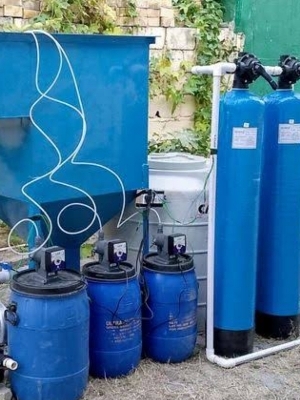
Robust Chemical and Sludge ManagementAll wetted components are constructed from corrosion-resistant materials such as HDPE, PP, FRP, MSRL, or PVC, selected based on the effluent type. Efficient chemical dosing and sedimentation tanks, along with automated or manual sludge withdrawal systems, simplify operation and ensure safe, hassle-free waste management.
FAQ's of Etp plant revamping:
Q: How does the revamped ETP ensure compliance with local and central discharge standards?
A: The upgraded ETP is designed to strictly adhere to discharge standards set by local, central, and state pollution boards. It is engineered to match effluent parameters required by your specific site, maintaining contaminant removal efficiency up to 98% and achieving typical final pH (6.5-8.5) and conductivity (<500 S/cm) within regulatory norms.
Q: What level of automation and control does the system offer?
A: The plant can be equipped with advanced PLC-based control for seamless, automated operation. Optional inlet flow sensors and automatic regulation valves further enhance process accuracy and consistency. Semi-automatic and fully automatic grades are available, based on client preferences and operational needs.
Q: When is the maintenance required for a revamped ETP plant?
A: Routine maintenance for the revamped plant is minimal, generally required on a quarterly basis for major interventions. The design ensures easy upkeep, focusing on accessible components and automated process monitoring to reduce downtime and service interruptions.
Q: Where can this ETP revamp solution be installed?
A: The system is highly versatile, suitable for a variety of locations and industries, including wastewater, textile, chemical, pharmaceutical, and food processing plants. With prefabricated and on-site assembly options, it accommodates diverse installation environments, from tight urban sites to expansive industrial zones.
Q: What is the process for handling different effluent volumes and types?
A: Each ETP revamp is customized to your effluent's characteristics and daily volume, supporting capacities from 500 LPH up to 100,000 LPH. The system integrates multi-stage filtration, chemical dosing, clarifiers, and activated carbon/sand filters, with materials and components selected to match the effluent's chemical profile.
Q: How are sludge and chemical residues managed within the plant?
A: Sludge withdrawal can be automated or manual, as per client requirements. Sedimentation tanks are constructed from HDPE for chemical resistance and durability, ensuring safe handling of waste products. The design promotes efficient, clean sludge removal and reduces environmental hazards.
Q: What are the main benefits of revamping to this ETP system?
A: Clients benefit from improved contaminant removal, compact design, lower operating costs, and up to 90% water recycling rates. Enhanced safety features, low maintenance, and robust chemical resistance lead to long-term reliability and simplified operations, ensuring compliance and environmental stewardship.




 Send Inquiry


 Send Inquiry
 Send Inquiry
 Send SMS
