About Etp plant AMC
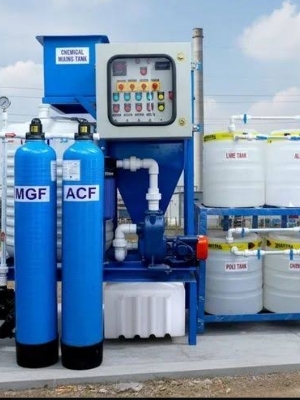
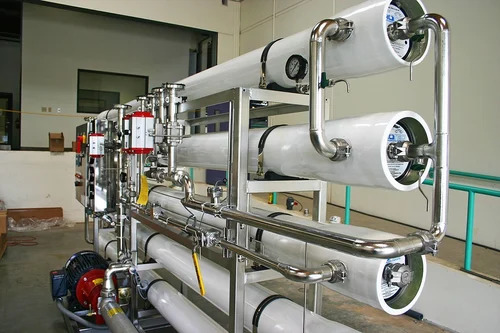
ETP Plant AMC (Annual Maintenance Contract) provides complete maintenance and servicing solutions for Effluent Treatment Plants to ensure smooth, efficient and reliable operation throughout the year. Our AMC services include regular plant inspection, preventive maintenance, equipment servicing, troubleshooting, performance monitoring and technical support. Key Features & Services: Regular ETP plant inspection and servicing. Maintenance of pumps, motors and blowers. Filter press and filtration system maintenance. Chemical dosing system inspection. Cleaning of tanks, pipelines and filters. Electrical panel and automation system checking. Breakdown maintenance and troubleshooting. Plant performance monitoring. Technical support and operational assistance.
Advanced Control & ComplianceOur ETP plants feature digital and PLC-based control panels for superior automation and monitoring. Built to meet stringent CPCB and SPCB standards, these plants guarantee both environmental regulatory compliance and operational efficiency.
Flexible Installation OptionsChoose between stationary installations or mobile skid-mounted units for versatile deployment. Installation types include containerized or civil construction, providing solutions for a wide range of industrial, factory, and sewage treatment applications.
Comprehensive Pretreatment & DisinfectionPretreatment stages address oil, grease, and pH correction, safeguarding downstream processes. Disinfection via UV or chlorination ensures safe, reusable water, while multi-media, sand, and activated carbon filters boost purity and efficiency.
Reliable Service & SupportOur Annual Maintenance Contract (AMC) covers regular inspections, emergency support, and periodic maintenance. This service maximizes plant uptime, ensures long-term reliability, and minimizes maintenance interruptions for your operations.
FAQ's of Etp plant AMC:
Q: How does the digital/PLC-based control panel improve ETP plant operation?
A: The digital or PLC-based control panel automates monitoring and process control, enhancing precision, reliability, and ease of operation while reducing manual intervention and potential errors.
Q: What disinfection methods are used in this ETP plant and when should each be selected?
A: The plant offers both UV and chlorination disinfection. UV is preferred for chemical-free, rapid microbial control, while chlorination is effective for longer-term residual disinfection. The choice depends on water quality goals and industry requirements.
Q: Where can these ETP plants be installed and what installation options are available?
A: These plants are suitable for industries, factories, and sewage treatment applications. Installation can be stationary (either civil constructed or containerized) or mobile skid-mounted for flexibility and ease of relocation.
Q: What is the process flow of this ETP plant?
A: The process begins with pretreatment (oil & grease trap, equalization tank, pH correction), followed by biological, chemical, and advanced filtration stages. Final disinfection is achieved by UV or chlorination, ensuring optimal water quality.
Q: How does opting for an Annual Maintenance Contract (AMC) benefit plant users?
A: An AMC provides scheduled maintenance, emergency support, and expert guidance. This ensures uninterrupted plant operation, extends equipment life, mitigates downtime, and helps maintain compliance with environmental standards.
Q: What are the main benefits of the safety features included in the plant design?
A: Features like overload protection and emergency shutdown safeguard equipment and personnel, minimize accident risk, and ensure uninterrupted and compliant plant performance.
Q: What types of industrial wastewater can this ETP handle and what is its maximum capacity?
A: The plant can treat a variety of industrial effluents, with design capacities ranging from 1 KLD to 1000 KLD, making it suitable for both small-scale and large-scale wastewater treatment needs.




 Send Inquiry


 Send Inquiry
 Send Inquiry
 Send SMS
