About Fharma etp 500 kld
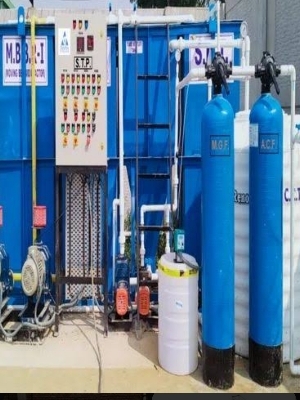
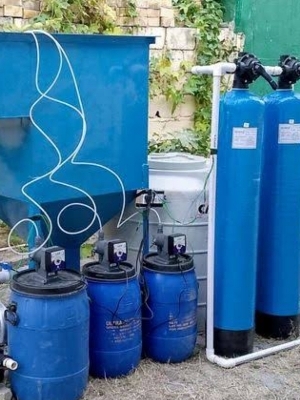
500 KLD Pharmaceutical ETP Plant is designed to treat wastewater generated from pharmaceutical manufacturing units. The system helps remove suspended solids, organic pollutants, and other contaminants to meet applicable treated-water discharge or reuse requirements. Key Features: Capacity: 500 KLD (500,000 litres/day) Operation: Automatic Application: Pharmaceutical industries Treatment stages: Primary, secondary and tertiary treatment, as required Automation: PLC-based control panel (as specified) Design: Customized according to wastewater characteristics and applicable discharge standards
Advanced Wastewater Treatment for Pharma IndustryThe Fharma ETP 500 KLD uses cutting-edge technologies like MBR/MBR Hybrid and Advanced Oxidation to ensure highly effective treatment of pharmaceutical wastewater. With up to 99% purity and efficiency exceeding 95%, it offers reliable performance, making it a trusted solution for industries seeking compliance and sustainability.
Compact and Customizable DesignThis plant's compact design, available as skid-mounted or containerized units, makes installation feasible even in restricted spaces. Customization options ensure the system meets individual site requirements, with volumes and configurations tailored to specific wastewater generation patterns.
Automated Control and Easy OperationFeaturing PLC with HMI and automatic dosing for pH and coagulation, the Fharma ETP 500 KLD ensures seamless, user-friendly operation. Real-time monitoring and automated adjustments maintain optimal performance, significantly reducing manual intervention and simplifying maintenance.
FAQ's of Fharma etp 500 kld:
Q: How does the Fharma ETP 500 KLD treat pharmaceutical wastewater?
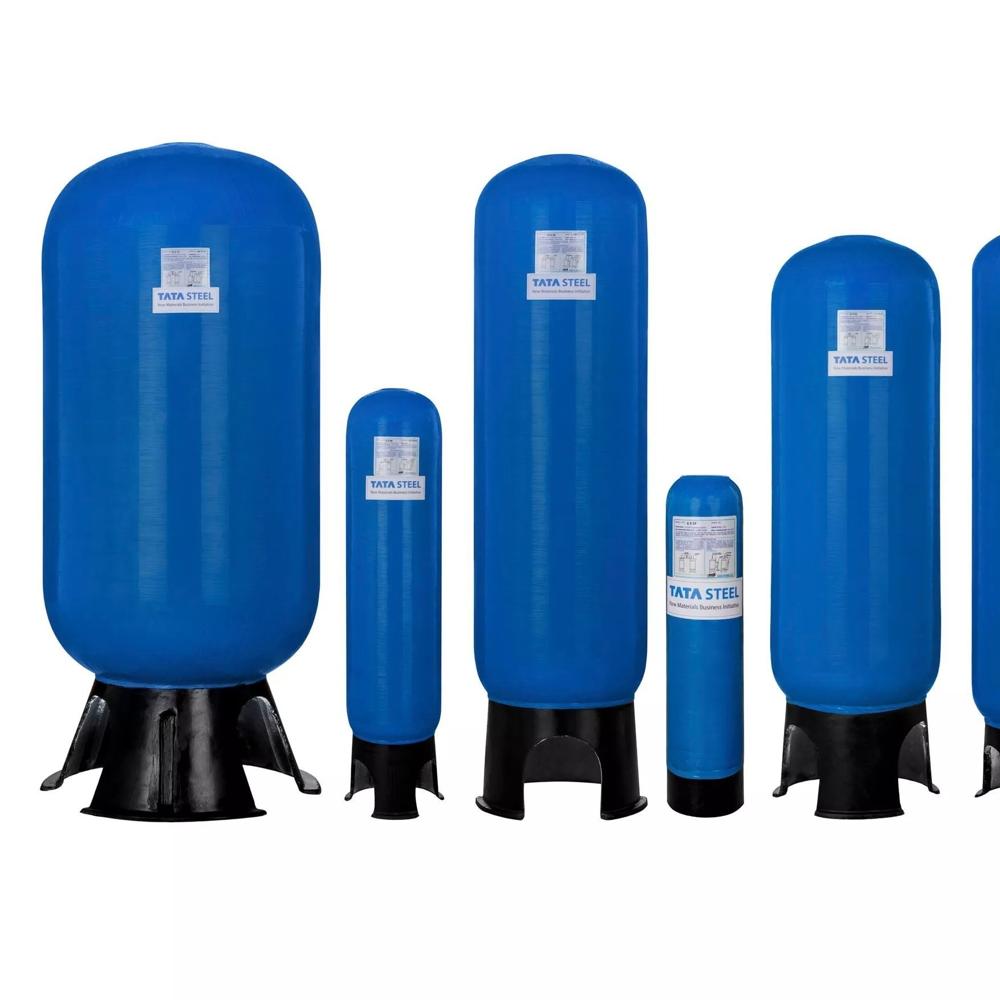
A: The plant uses a combination of MBR/MBR Hybrid, advanced oxidation, multigrade, and activated carbon filtration. Pre-treatment involves screening and equalization, followed by chemical dosing (pH and coagulation). The advanced process ensures removal of over 90% TSS and achieves up to 99% purity.
Q: What are the final discharge options for the treated water?
A: The treated water can be safely discharged to surface water bodies or recycled back into utilities due to its high purity and compliance with CPCB/PCB discharge standards. Up to 98% of the treated water can be recycled, supporting sustainability efforts.
Q: When should maintenance be performed on the sludge handling system?
A: Regular maintenance should be scheduled as per manufacturer guidelines and actual sludge load, typically on a weekly or as-needed basis, to ensure optimal operation of the dewatering unit and avoid equipment wear or inefficiency.
Q: Where can the Fharma ETP 500 KLD be installed?
A: The plant's compact, customizable design allows installation both indoors and outdoors. Its skid-mounted or containerized construction makes it suitable for facilities with limited space or remote pharma manufacturing sites.
Q: What are the key benefits of the PLC with HMI interface?
A: The PLC with HMI interface offers real-time monitoring, automatic process control, and data logging. This enhances operational efficiency, reduces manual oversight, and allows quick adjustments for consistent water quality and compliance.
Q: How does automatic chemical dosing improve system performance?
A: Automatic dosing ensures precise adjustment of pH and coagulation chemicals in real time, maintaining optimal treatment conditions and consistent output quality while minimizing chemical usage and operator intervention.
Q: What factors contribute to the plant's long design life?
A: Constructed with durable materials like FRP, SS, or MS and designed for harsh industrial environments, the plant is built to last over 15 years, provided regular maintenance and adherence to operational parameters are followed.




 Send Inquiry


 Send Inquiry
 Send Inquiry
 Send SMS
