About Etp plant operation maintenance
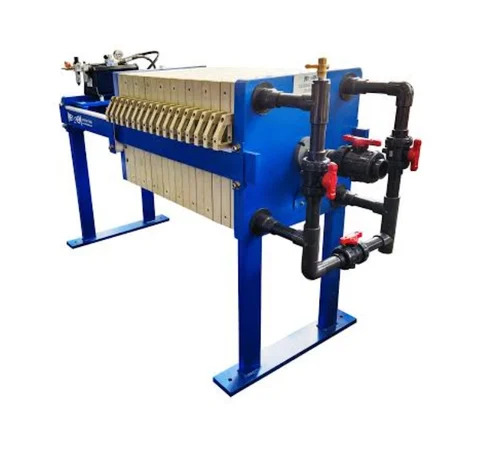
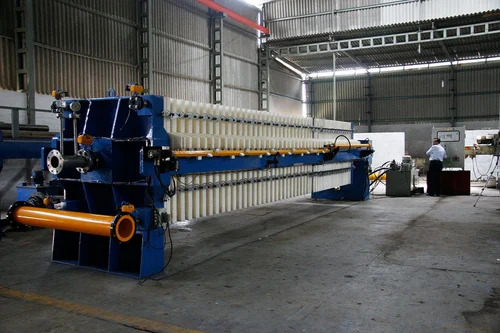
Jovial Water Technology provides professional ETP Plant Operation and Maintenance (O&M) Services to ensure efficient, reliable, and smooth functioning of Effluent Treatment Plants. Our services include regular plant operation, equipment inspection, preventive maintenance, chemical dosing, sludge management, water quality monitoring, and troubleshooting. We offer customized operation and maintenance solutions for industrial wastewater treatment plants to maintain treatment efficiency and help meet applicable pollution control standards. Key Features & Services: Daily ETP Plant Operation Preventive & Breakdown Maintenance Chemical Dosing and Monitoring Sludge Handling and Management Pump, Blower & Motor Maintenance Filter Press Maintenance Water Quality Testing STP/ETP Equipment Inspection Operator and Technical Support Annual Maintenance Contracts (AMC)
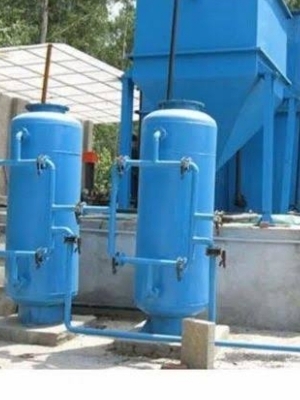
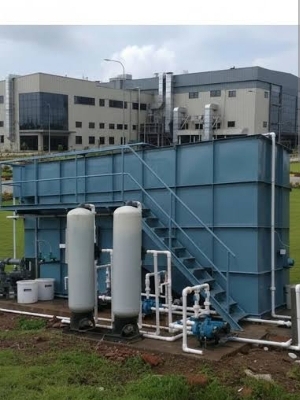
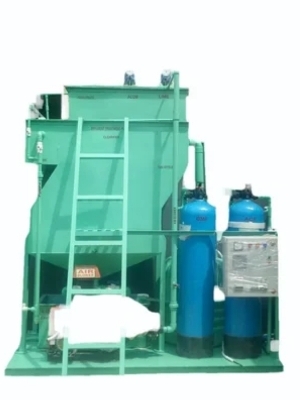
Comprehensive ETP Installation and On-Site MaintenanceOur turnkey ETP solutions include professional on-site installation and civil works as per project scope. With both automatic and semi-automatic operation options, the plant setup is tailored to meet your space, utility, and operational requirements. We provide periodic maintenance contracts for operational support, ensuring stable performance, minimal downtime, and long-term reliability. Sample collection points and regular monitoring help maintain treatment quality and keep the plant within regulatory standards.
Advanced Multi-Stage Treatment and Custom DesignEach plant integrates primary, secondary, and tertiary treatment with various pump types-centrifugal, submersible, or ejector-based on the specific application. The equipment design considers client flow rates, inlet/outlet connection size, and process requirements. Options for ozone generators and UV sterilizers offer advanced disinfection stages. Our ETPs are engineered for durability and compliance, offering efficient sludge management, corrosion resistance, and computerized control features for precise operation.
FAQ's of Etp plant operation maintenance:
Q: How is the ETP plant installed and what support is available during installation?
A: ETP installation is performed on-site by our trained technicians, including all required civil work as per the project's scope. We provide operational support throughout the installation phase and offer periodic maintenance contracts to ensure the plant runs efficiently after commissioning.
Q: What are the different stages involved in the ETP treatment process?
A: The ETP employs three treatment stages: primary (solid separation), secondary (biological treatment), and tertiary (advanced filtration or disinfection). Optional equipment such as ozone generators or UV sterilizers may be included for enhanced final effluent quality, depending on client requirements.
Q: When is sludge removed from the ETP and what options exist for sludge management?
A: Sludge removal is carried out at intervals determined by plant operation and effluent load, using either manual or automatic systems tailored to plant design. Proper sludge management prevents blockages and ensures optimal treatment performance.
Q: Where are sample collection points located for monitoring the treatment process?
A: Sample collection points are strategically placed at various stages within the ETP process. This design allows for ongoing monitoring and testing to ensure that each treatment stage meets regulatory and environmental standards.
Q: What are the unique benefits of using your ETP plant for wastewater treatment?
A: Our ETP plants not only comply with CPCB and international standards but also feature robust construction, low maintenance needs, corrosion resistance, and optional advanced treatment technologies. These attributes help clients reliably meet environmental regulations while benefiting from long service life and operational efficiency.
Q: How does the ETP accommodate variations in process needs, such as flow rate or effluent composition?
A: The plant is custom-built with considerations for specific flow rates, effluent pH, and process load. Pump types, filter area, and inlet/outlet sizes are selected accordingly. Control systems can be manual, electrical, or PLC-based for greater adaptation to operational changes.
Q: What utility requirements and environmental conditions are necessary for optimal plant operation?
A: The ETP requires electrical power (220V/380V/415V, 3 phase), water, drainage, and adequate space according to its design. It operates efficiently in temperatures from 5C to 50C and is designed to withstand demanding industrial environments.




 Send Inquiry


 Send Inquiry
 Send Inquiry
 Send SMS
