About Etp plant manufacturer
Activated Sludge Process (ASP) Tertiary Treatment Applications: Textile Industries Pharmaceutical Industries Chemical Industries Food Processing Industries Automobile Industries Paper & Pulp Industries Manufacturing Industries Manufacturer & Supplier: Jovial Water Technology Available Capacities: 5 KLD to 1000 KLD and customized capacities. Keywords: ETP Plant Manufacturer, Effluent Treatment Plant, Industrial ETP Plant, ETP Plant Supplier, Automatic ETP Plant, Semi Automatic ETP Plant, Wastewater Treatment Plant. I can also prepare an SEO-friendly TradeIndia description with high-ranking ETP keywords
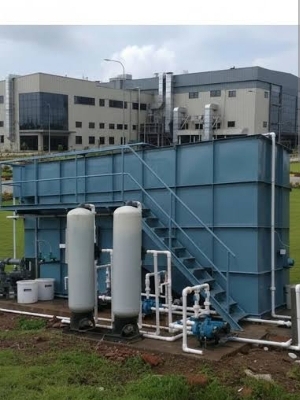
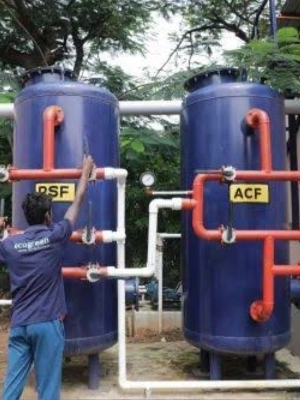
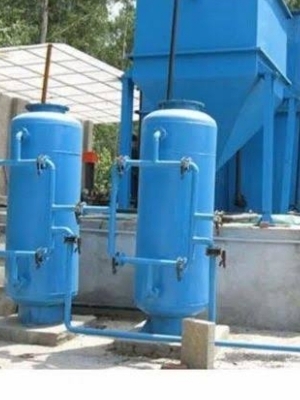
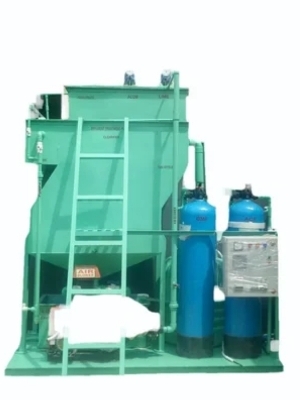
Comprehensive Wastewater TreatmentOur ETP plants utilize advanced multi-stage treatment-including clarifiers, aeration, filtration, and optional UV/ozone disinfection-to remove contaminants from industrial wastewater and sewage. Designed to achieve outlet BOD and TSS levels well below regulatory requirements, we ensure water safety and environmental protection.
Customized Design & OperationEvery ETP system is tailored for your facility with flexible installation (above or underground), varying capacities (1-5000 KLD), and operation modes (semi-automatic or fully automatic PLC). This adaptability ensures optimal compatibility with your site's flows, operational preferences, and regulatory needs.
Durable, Efficient & Low MaintenanceBuilt from corrosion-resistant mild steel, FRP, or RCC, our ETPs promise reliability and low maintenance over at least 10 years with proper care. Energy-efficient motors, minimized noise (<70 dB(A)), and safety technologies-including overload protection and leak detectors-ensure efficient, safe, and quiet operation.
FAQ's of Etp plant manufacturer:
Q: How does the ETP plant treat industrial effluents and sewage?
A: Our ETP plant employs a multi-stage process: primary treatment removes larger solids, secondary treatment uses aeration and biological processes, and tertiary treatment includes filtration and disinfection like UV or ozone. This ensures the treated water meets or exceeds local PCB/municipal discharge standards.
Q: What types of water sources can the ETP handle?
A: The system efficiently treats industrial effluents, sewage, and process wastewater. It is adaptable for sites with high inlet TSS (up to 2000 mg/L) and designed for variable flows and contamination levels commonly found in industrial and municipal applications.
Q: When should I opt for an underground versus an above-ground installation?
A: Choose underground installation when space is limited or you require discreet placement. Above-ground installations are preferred for easy access and simpler maintenance. Our team can recommend the optimal choice based on site assessment and client preferences.
Q: What are the benefits of automatic and PLC-based operation modes?
A: Automatic and PLC-based controls allow for hands-free, consistent management of the entire treatment process, improving efficiency and reducing manual errors. They also facilitate monitoring, data logging, and streamlined troubleshooting for optimal plant performance.
Q: Where can these ETP plants be used?
A: Our modular ETP systems are suitable for diverse industries, including chemicals, textiles, pharmaceuticals, and food processing, wherever industrial wastewater treatment is required. Their wide capacity range (1-5000 KLD) and installation flexibility suit small to large facilities.
Q: How is sludge handled in the ETP?
A: The plant is equipped with manual or automatic sludge collection systems, efficiently removing and managing byproducts generated during treatment, ensuring continuous and hygienic operation.
Q: What project support do you provide after installation?
A: We offer comprehensive project support including on-site installation, operator training, after-sales service, and annual maintenance contracts (AMC) to guarantee ongoing optimal plant performance and regulatory compliance.




 Send Inquiry


 Send Inquiry
 Send Inquiry
 Send SMS
