About Textile etp 500 kld auto semi
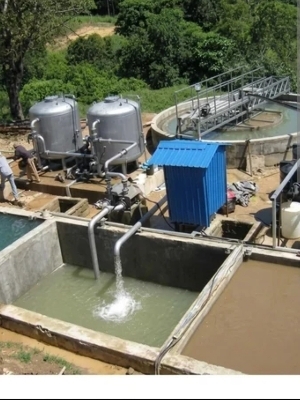
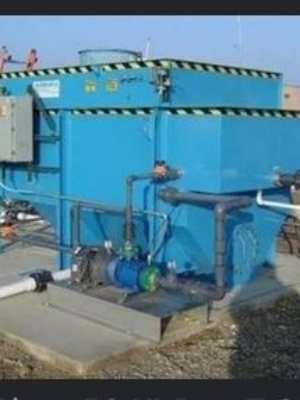
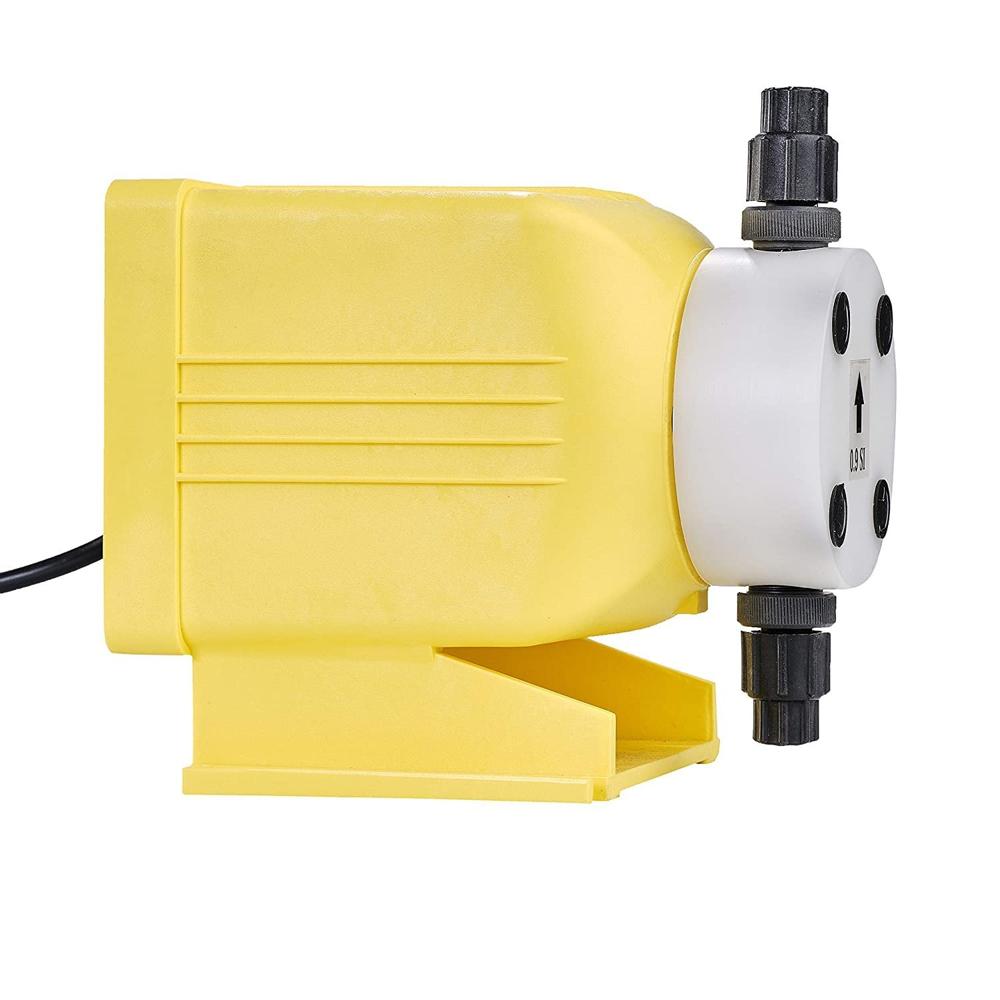
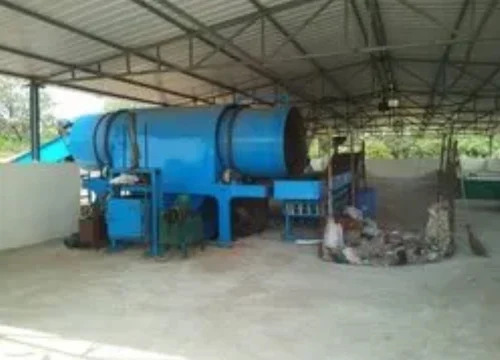
A semi-automatic Textile ETP Plant with a treatment capacity of 500 KLD, designed to treat wastewater generated from textile industries, including dyeing, washing, bleaching and printing processes. The system helps reduce colour, suspended solids, organic pollutants and other contaminants through suitable physical, chemical and biological treatment processes, depending on wastewater characteristics. Designed for industrial wastewater management and treated water reuse, subject to the required treatment quality and applicable discharge standards. Key Features: Capacity: 500 KLD (500,000 litres/day) Application: Textile and dyeing industries Automation Grade: Semi-Automatic Treatment: Physical, chemical and biological treatment, as required Construction Material: MS/FRP/SS, as per design Optional: Tertiary filtration, RO and Zero Liquid Discharge (ZLD), based on client requirements.
Efficient Wastewater Management for Textile IndustriesDesigned specifically for textile and dyeing units, this 500 KLD ETP ensures optimal treatment of effluent with advanced automation features. Its modular design, durable construction with SS304/316 or MS FRP lined tanks, and compact area requirement make it an ideal choice for industries seeking compliance with environmental standards while minimizing operational footprint.
Flexible and Customizable Operation ModesThe plant offers both semi-automatic and fully automatic operational options, controlled via PLC or manual interface. This flexibility allows businesses to adapt operations as per workforce availability and specific process needs, ensuring smooth and reliable performance with minimal manual intervention.
Superior Water Quality & Regulatory ComplianceAchieving an outlet COD of less than 250 mg/l ensures that discharge meets stringent environmental norms. The triple-stage treatment (primary, secondary, tertiary) delivers effective purification, making the treated water suitable for compliant disposal or potential reuse, safeguarding the environment while optimizing costs.
FAQ's of Textile etp 500 kld auto semi:
Q: How does the Textile ETP 500 KLD system treat effluent from textile industries?
A: The system employs a three-stage treatment process-primary, secondary, and tertiary-to remove contaminants from textile wastewater. Advanced automation and mechanical seals ensure efficient operation, resulting in treated water with COD levels below 250 mg/l, ready for safe discharge.
Q: What is the installation space required for this ETP system?
A: The plant is designed to fit within an area of approximately 45-60 square meters, making it suitable for facilities with limited space while still delivering a high treatment capacity of 500 KLD.
Q: When should I choose semi-automatic versus fully automatic operation?
A: Choose semi-automatic operation when you have staff available for manual interventions; opt for fully automatic (PLC-controlled) operation for minimal workforce dependency and consistent processing, enhancing operational efficiency.
Q: Where can this effluent treatment plant be used?
A: This ETP model is ideal for textile, industrial, and dyeing operations needing to treat significant volumes of wastewater, and it suits both new facility installations and ETP upgrades.
Q: What are the main benefits of installing this ETP for my facility?
A: Key benefits include compliance with CPCB and ISO9001 standards, corrosion-resistant construction, easy maintenance, and reduced noise (<70 dB). The plant helps protect the environment by lowering harmful discharge and supports resource conservation.
Q: How many operators are required per shift for optimal operation?
A: The system can be managed efficiently by just 1-2 operators per shift, thanks to user-friendly controls and high automation levels, which streamline operations while maintaining productivity.
Q: What after-sales and service support is provided?
A: Comprehensive service support is available, including maintenance, troubleshooting, and customization assistance to ensure smooth, reliable operation over the plant's lifecycle.




 Send Inquiry


 Send Inquiry
 Send Inquiry
 Send SMS
 Call Me Free
