About Etp ro plants
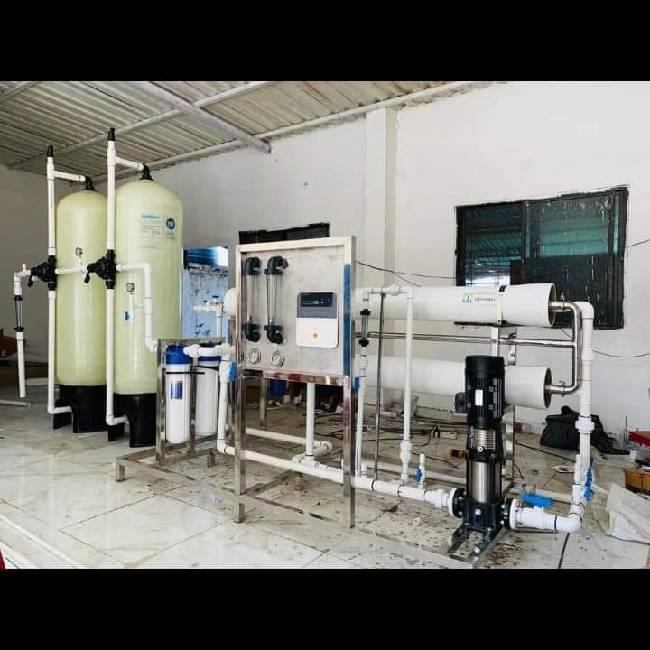
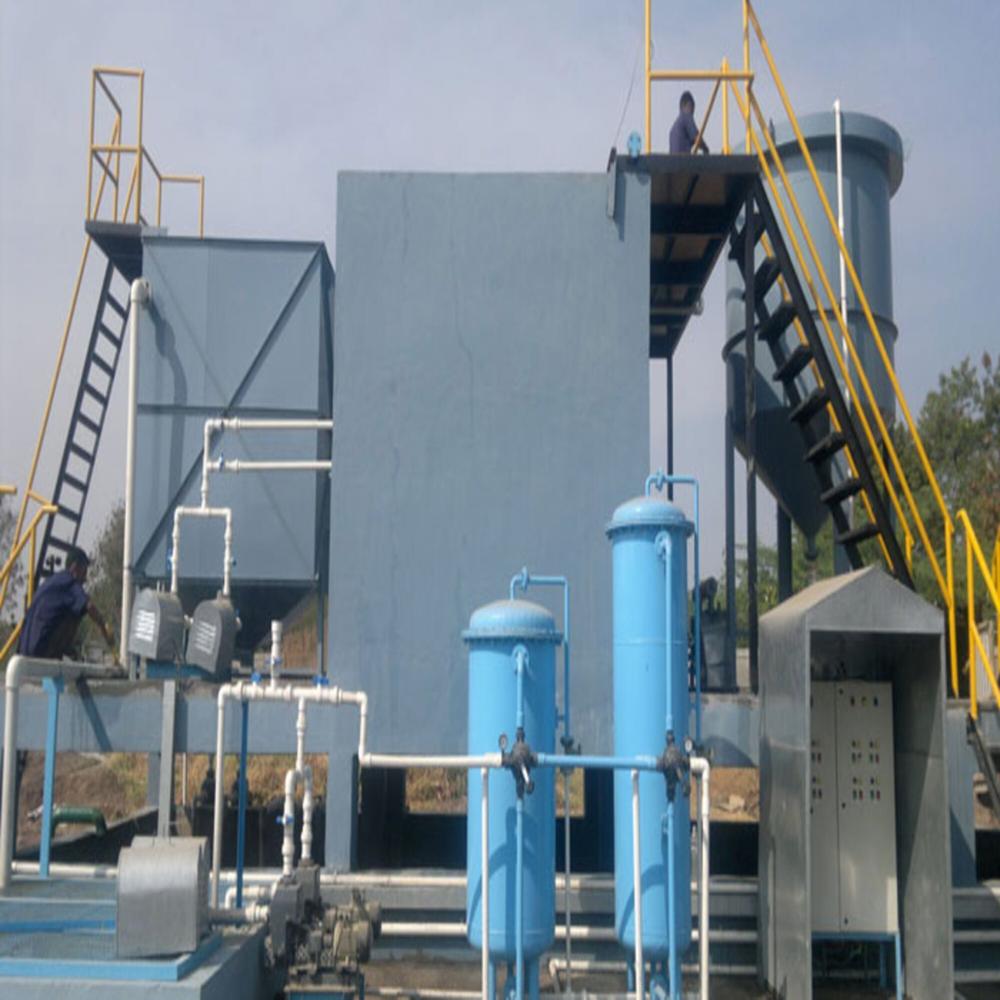
A 10 KLD RO Plant is designed to reduce dissolved salts and impurities from suitably pretreated water to produce treated water for industrial applications. Capacity: 10,000 litres/day of permeate, subject to design Operation: Semi-automatic / Automatic Technology: Reverse Osmosis (RO) Components: Feed pump, pretreatment filters, high-pressure pump, RO membranes and control panel Application: Industrial process water and water reuse
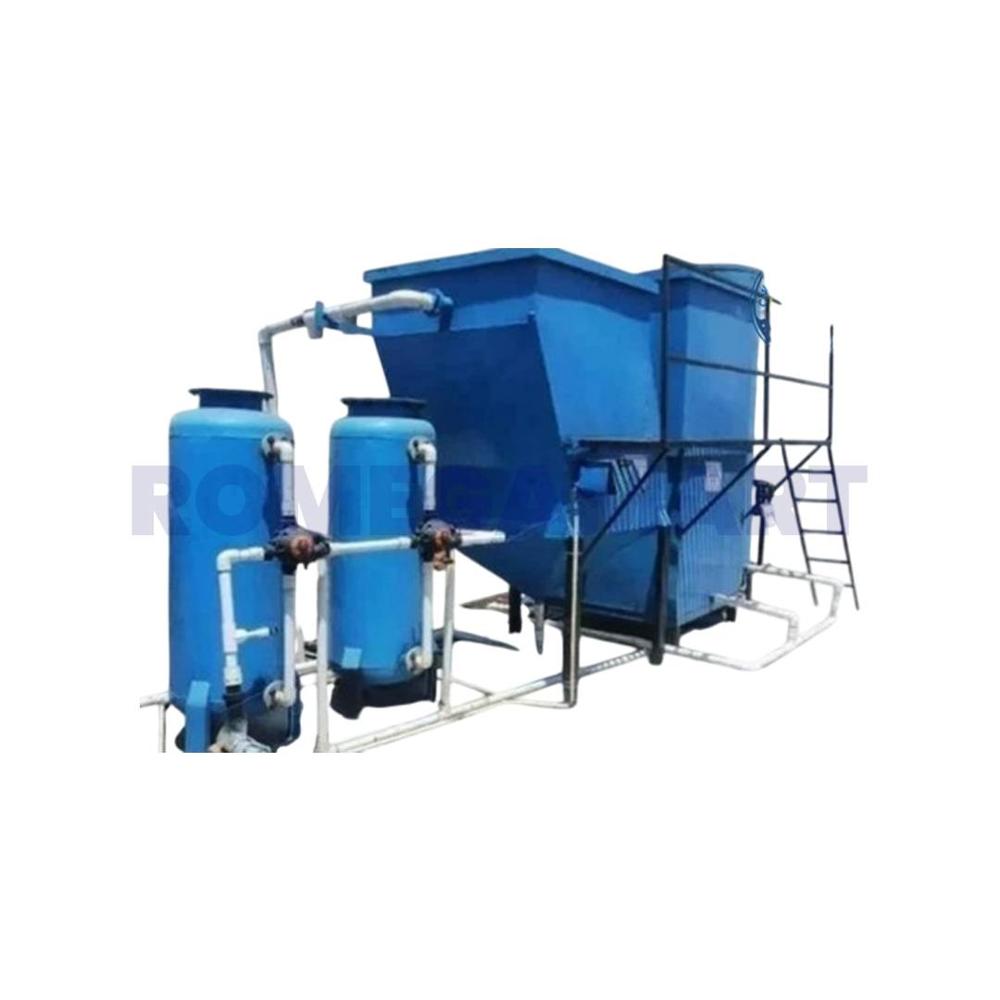
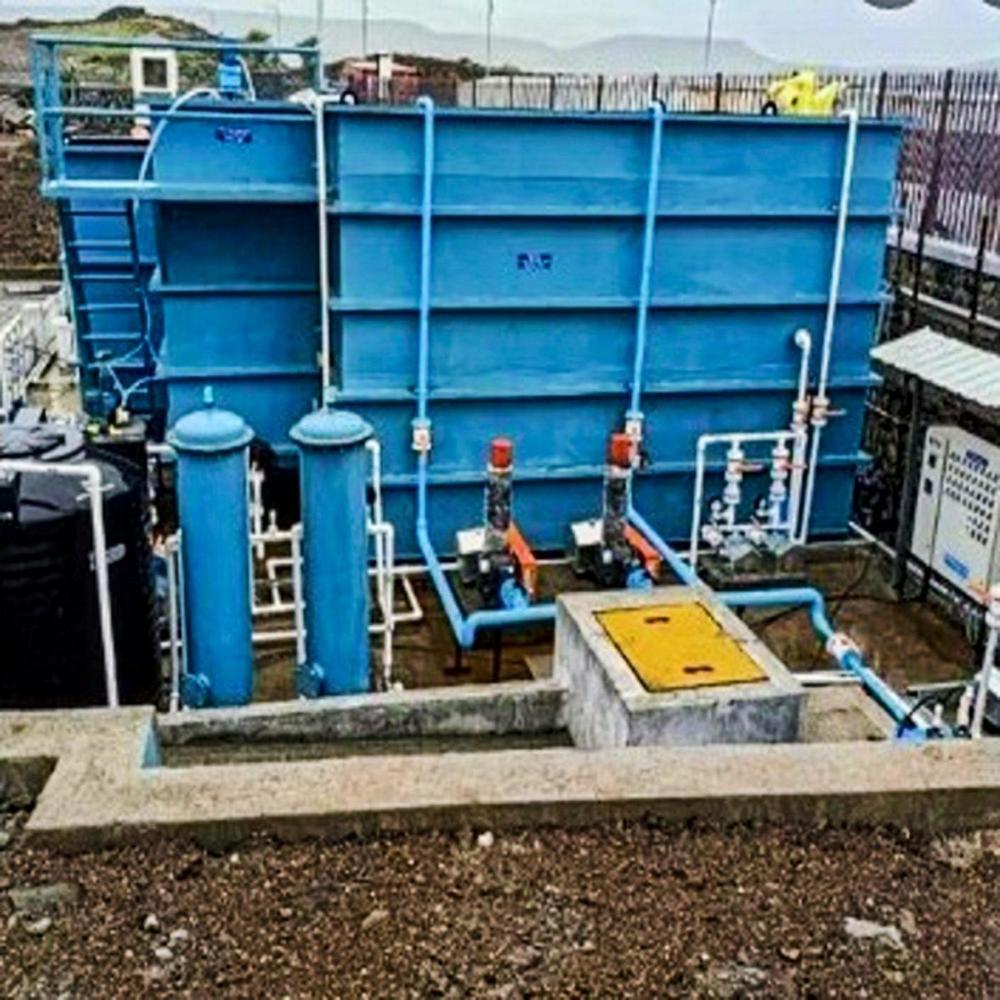
Cutting-Edge ETP + RO TechnologyOur plants utilize integrated Effluent Treatment Plant technologies combined with Reverse Osmosis to guarantee the removal of contaminants, ensuring treated water meets rigorous reuse and discharge standards. Physical, chemical, and biological stages prepare water before RO, maximizing efficiency and longevity.
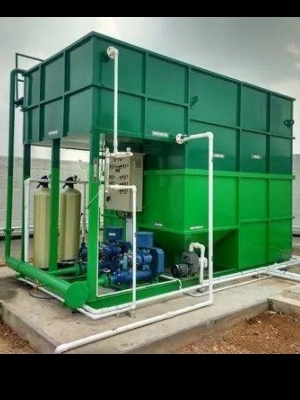
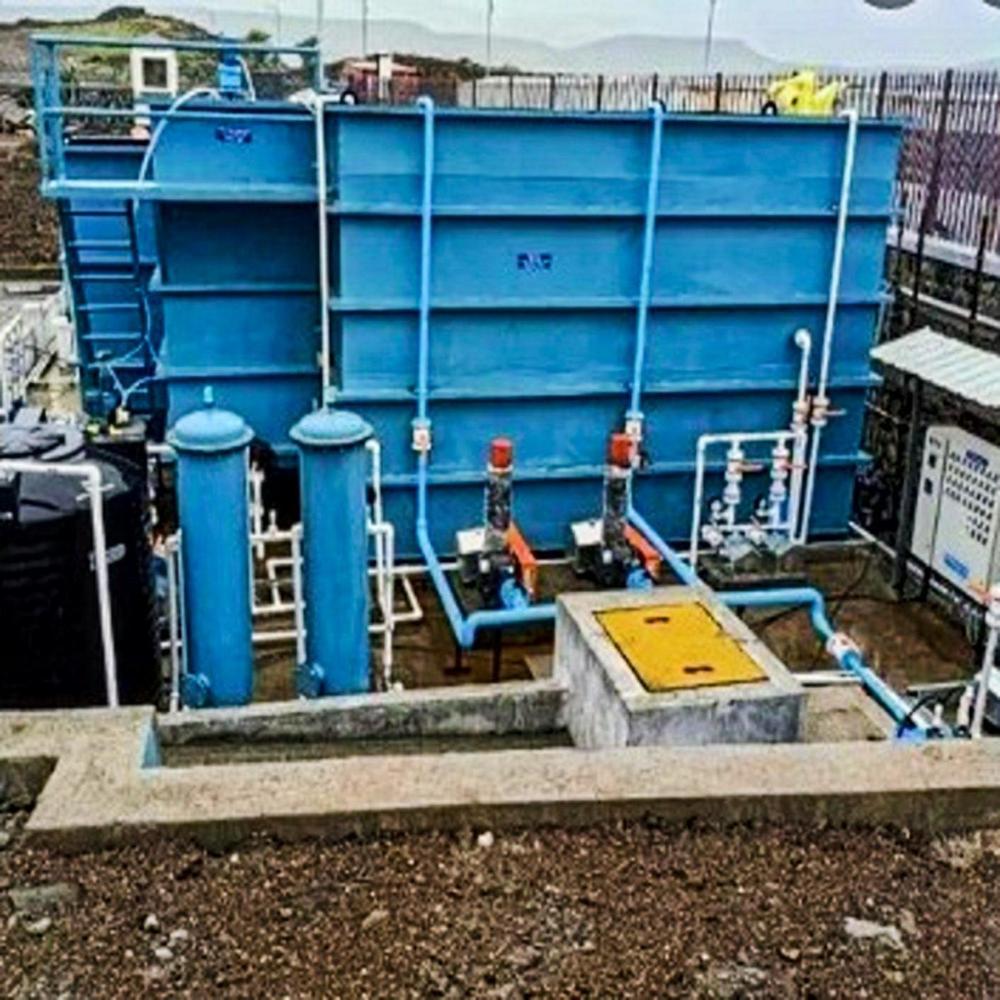
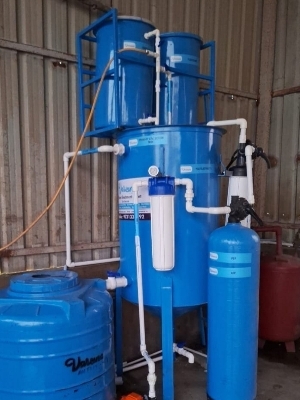
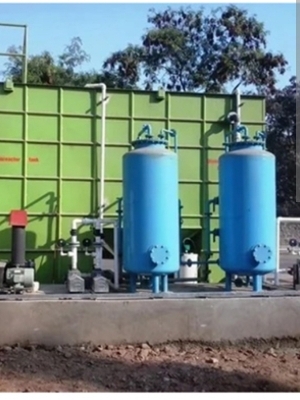
Tailored to Industrial DemandsAvailable in both skid-mounted and civil installation options, our systems suit various site requirements. With 10 KLD capacity and membrane quantity, power, and material customizable by design, these units are ideal for diverse industrial wastewater streams and recycling needs.
Easy Installation and Reliable OperationDesigned for straightforward deployment, our ETP RO systems arrive ready for connection to electrical power and water sources. Fully automatic operation minimizes manual intervention, and the strong build ensures durability and consistent performance in demanding environments.
FAQ's of Etp ro plants :
Q: How does the ETP RO plant treat industrial wastewater?
A: The ETP RO plant applies a combination of physical, chemical, and biological processes to remove solids and contaminants, followed by Reverse Osmosis to further purify and recycle water, achieving high-quality treated effluent for industrial reuse or compliant discharge.
Q: What kinds of industrial applications can use this ETP RO plant?
A: This plant is ideally suited for industries seeking efficient treatment and recycling of wastewater or effluent, such as manufacturing, chemical processing, food and beverage, and other sectors dealing with high volumes of contaminated water.
Q: When is a skid-mounted installation preferable over a civil installation?
A: A skid-mounted setup is preferred for quick deployment or temporary usage, offering plug-and-play convenience and portability. Civil installation is recommended for large-scale or permanent applications where integration into existing infrastructure is beneficial.
Q: Where can these plants be installed within an industrial site?
A: These ETP RO plants are designed for flexible placement-they can be set up in dedicated utility areas, near effluent-generation points, or within a centralized wastewater management area, depending on industrial layout and treatment process needs.
Q: What is the process flow within the ETP + RO system?
A: First, industrial effluent undergoes primary (physical), secondary (chemical), and biological treatment stages to remove impurities. The pre-treated water is then processed through RO membranes, which eliminate dissolved solids and contaminants. The result is highly purified, reusable water.
Q: How does automation benefit plant operation?
A: The fully automatic control system enhances reliability, reduces manual labor, and ensures consistent water quality by precisely managing treatment sequences, monitoring parameters, and adjusting operational settings in real time.
Q: What are the benefits of using an ETP RO plant for water recycling?
A: Utilizing this system reduces freshwater consumption, curbs operational costs, aids regulatory compliance, and supports sustainable environmental practices by converting industrial waste into a valuable resource through effective water recycling.




 Send Inquiry


 Send Inquiry
 Send Inquiry
 Send SMS
