About Etp plant upgradation
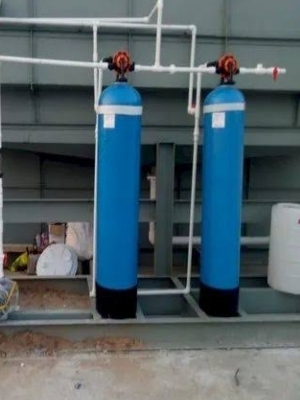
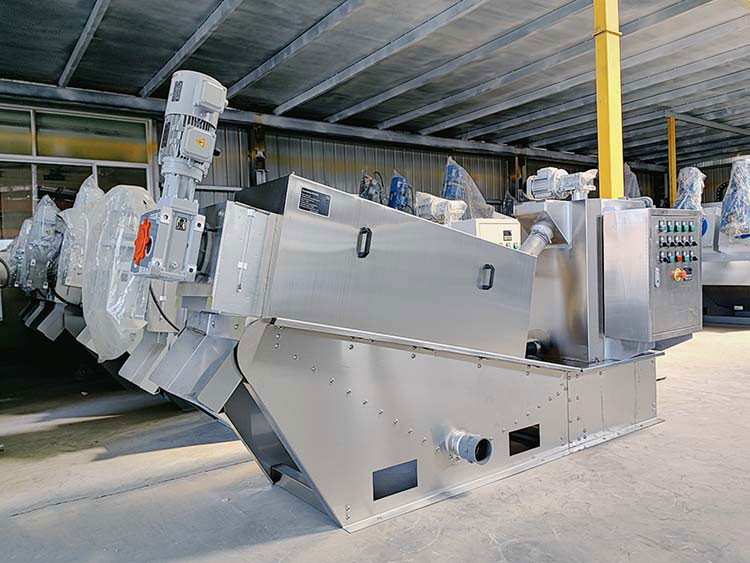
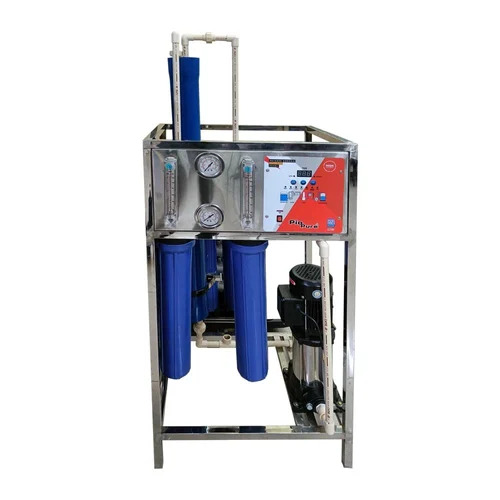
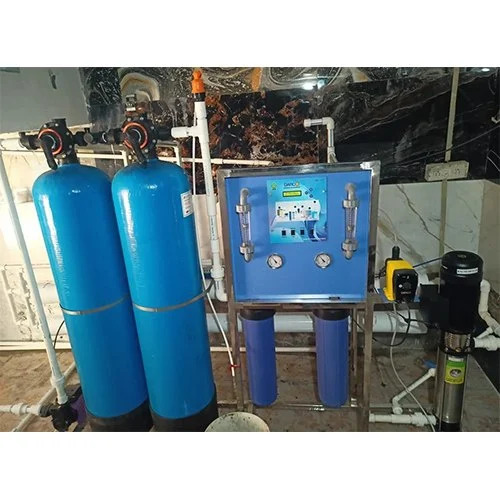
ETP Plant Upgradation services are designed to improve the performance, efficiency and treatment capacity of existing Effluent Treatment Plants (ETP). We provide complete upgradation solutions by upgrading old equipment, replacing outdated machinery, improving treatment technology and optimizing the overall treatment process. Our ETP plant upgradation services include: Upgradation of existing ETP plants. Replacement of old and inefficient equipment. Installation of advanced filtration systems. Improvement in chemical dosing systems. Aeration system and blower upgradation. Sludge management system improvement. Automation and PLC control panel upgradation. Treatment capacity enhancement. Improvement in treated water quality. Energy-efficient and cost-effective solutions.
Advanced Compliance & PerformanceOur upgraded ETP plant meets stringent discharge norms enforced by CPCB, GPCB, and local PCB authorities. The system boasts high-efficiency biological and chemical treatment, state-of-the-art control panels, and intelligent monitoring to ensure consistent output quality and reduced operational hassles. All accessories, including flowmeters, valves, gauges, and sampling points, are incorporated for streamlined pollution control.
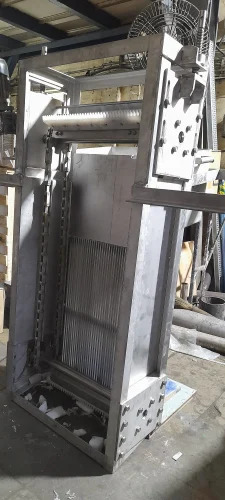
Robust Design for Industrial NeedsWith a temperature tolerance ranging from 5C to 50C and a noise level below 75 dB, the plant is engineered for durability in demanding industrial environments. Its integrated pretreatment (screening and grit removal), sludge management, and containerized installation provide flexibility for various site layouts and effluent characteristics. Service life extends up to 10-15 years with regular maintenance.
FAQ's of Etp plant upgradation:
Q: How does the ETP upgradation process handle high TDS inlet water?
A: The upgraded ETP system is designed to treat inlet water with TDS levels up to 3000 mg/L through a combination of advanced biological, chemical, and filtration processes. This ensures compliant and effective removal of contaminants, resulting in treated water that adheres to local discharge norms.
Q: What components are included in the upgraded ETP system for efficient operation?
A: The plant features a comprehensive suite of components, including a PLC/Relay-based control panel with alarms, centrifugal/self-priming pumps, integrated aeration via air blowers, an automated or manual backwash system, pretreatment modules, and a full set of valves, gauges, flowmeters, and sampling points for robust monitoring.
Q: When is skid-mounted installation recommended for ETP upgradation?
A: Skid-mounted installation is ideal for sites requiring compact and rapid deployment, particularly when space constraints are a concern. This modular approach speeds up on-site setup and is suitable for capacities ranging from 1 to 100 KLD or more, with customizable dimensions as needed.
Q: Where can this upgradation solution be applied?
A: This ETP upgradation is suitable for industrial settings generating effluent with TDS up to 3000 mg/L. Common applications include manufacturing units, process industries, and facilities focused on pollution control and environmental compliance.
Q: What are the operational benefits of the advanced ETP upgradation?
A: Key benefits include extended service life (10-15 years with proper upkeep), compliance with pollution control regulations, customizable design to match site requirements, and reduced noise and downtime through intelligent controls. Regular maintenance ensures optimal performance and reduced operating costs.
Q: How is sludge handled within the upgraded ETP system?
A: An integrated sludge management system processes and manages sludge generated during treatment, simplifying disposal and reducing manual intervention. This feature helps maintain continuous operation and meets regulatory standards for waste handling.




 Send Inquiry


 Send Inquiry
 Send Inquiry
 Send SMS
 Call Me Free
