About Etp plant installation
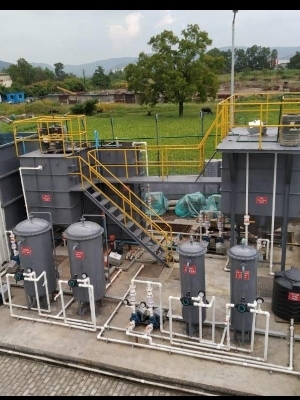
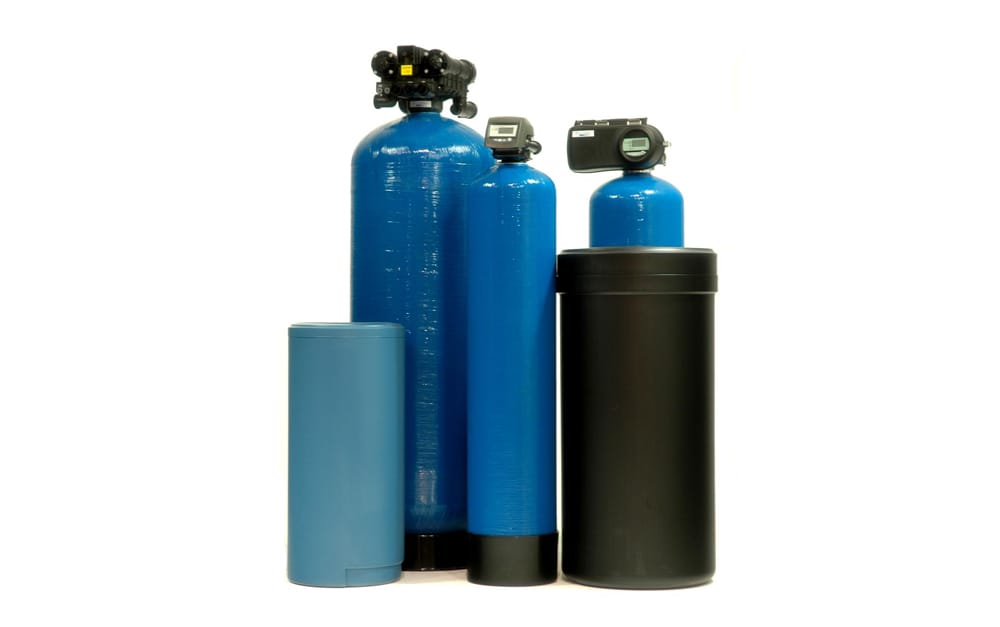
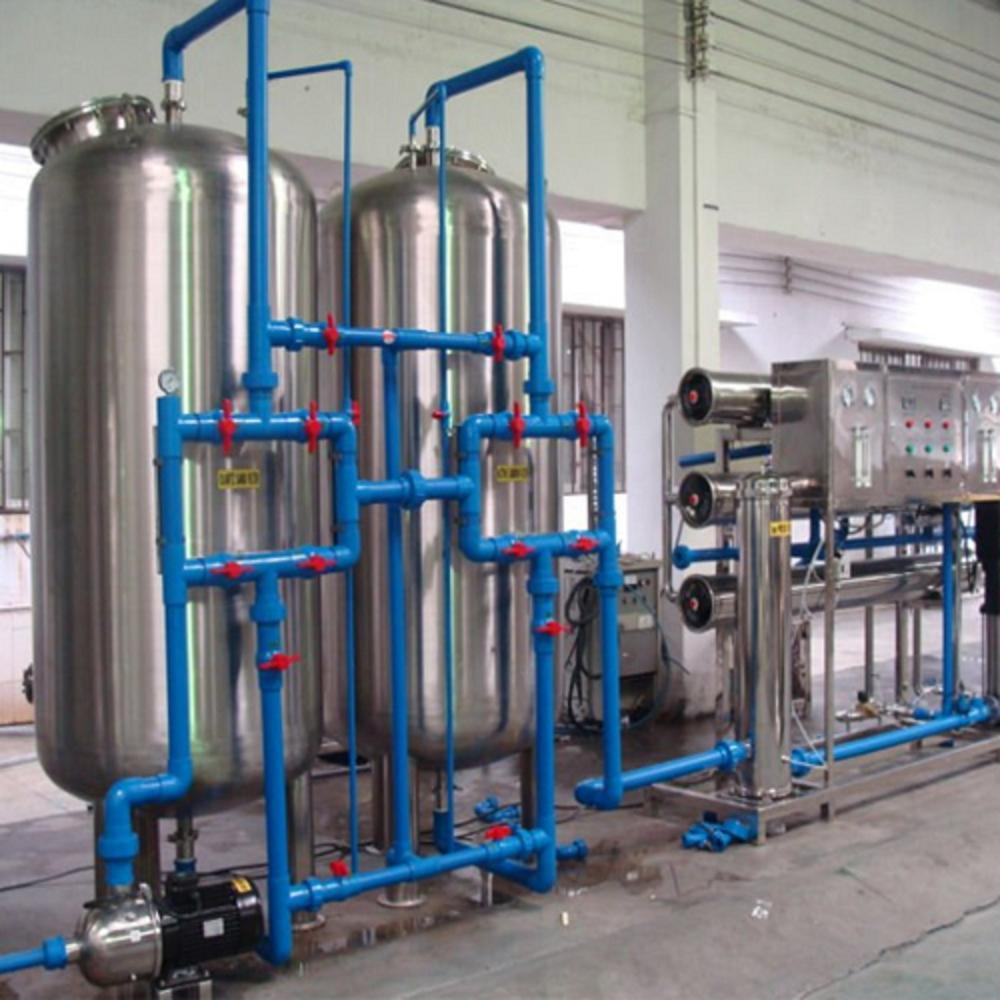
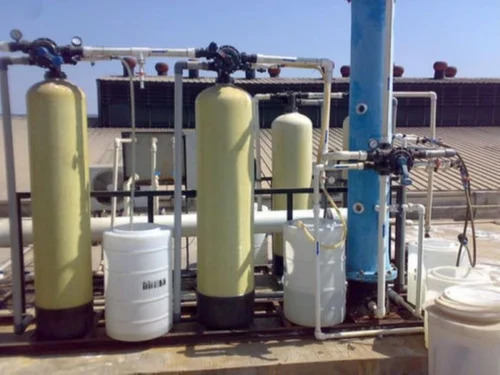
Piping Work Connect inlet outlet sludge and chemical dosing pipelines Electrical Work Install electrical panels cables sensors and control systems Testing Check pumps motors pipelines and leakages Commissioning Start the plant and check treatment performance Operator Training Train the customer to operate and maintain the plant 2 Equipment Required Collection Tank Equalization Tank Oil Grease Trap if required pH Dosing System Flash Mixer Flocculation Tank Primary Clarifier Aeration Tank Secondary Clarifier Filter Press Pressure Sand Filter Activated Carbon Filter Sludge Handling System
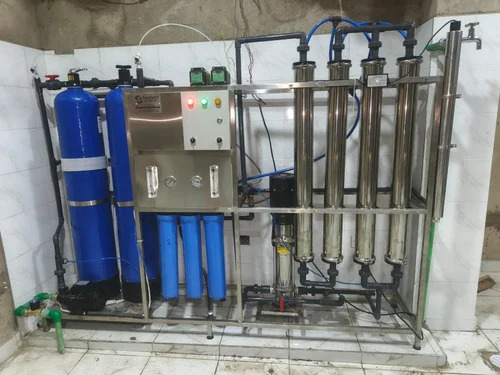
Flexible Modular Design and InstallationThe ETP can be configured as skid-mounted or modular units to ensure rapid deployment and flexibility for site constraints. Containerized and floor-mounted options make transport and installation effortless, while compact design facilitates easy integration within existing facilities and reduced space requirements.
Advanced Control and AutomationHarnessing PLC/SCADA technology, the ETP delivers seamless automation and precision control over operations, chemical dosing, and performance monitoring. On-site and remote monitoring services are available for optimal maintenance and uptime, ensuring reliable compliance with environmental standards.
Superior Performance and Regulatory ComplianceEngineered for high efficiency, the plant consistently delivers up to 99% purity, handles variable water qualities, and ensures discharge water meets CPCB/SPCB norms with conductivity below 10 S/cm. Integrated features like sludge drying, odor control, and durable epoxy coating deliver long-term operational reliability and safety.
FAQ's of Etp plant installation:
Q: How is the ETP plant installed and what are the available configurations?
A: Installation of the ETP plant is streamlined via skid-mounted, modular, and containerized configurations, allowing quick setup and adaptability to different site conditions. The plant is suitable for both floor-mounted and other installation types, depending on the client's requirements and available space.
Q: What processes and technologies are utilized in the treatment of industrial effluent?
A: The ETP integrates advanced technologies such as MBR, ASP, SBR, MBBR, and clariflocculation. Pre-treatment systems, sand, carbon, and multi-grade filters, as well as automatic or manual chemical dosing, are utilized to achieve high removal rates of TDS, COD, and other contaminants.
Q: When is ETP plant maintenance required and what type of support is provided?
A: Routine maintenance is minimal due to the plant's low-maintenance design, but periodic checks are advised to ensure optimal performance. Service support is provided both on-site and remotely via PLC/SCADA monitoring, helping diagnose issues early and reduce downtime.
Q: Where can this ETP plant be installed and what industries commonly use it?
A: This versatile ETP is suitable for installation at industrial sites in textile, chemical, pharmaceutical, and food processing sectors-essentially anywhere industrial effluent requires advanced treatment and discharge within regulatory norms.
Q: How does the integrated sludge drying facility benefit plant operation?
A: The integrated sludge drying facility streamlines sludge management, reduces disposal costs, and ensures safer, more efficient handling of dried solids-resulting in improved overall plant hygiene and automation.
Q: What measures are in place to ensure compliance with environmental and safety standards?
A: The plant is designed to meet or exceed CPCB and SPCB discharge norms, features advanced odor control, and is epoxy coated for corrosion resistance. It complies with industry safety standards, operating efficiently within temperatures from 5C to 50C.
Q: What are the main advantages of choosing this ETP plant for industrial wastewater treatment?
A: Key benefits include customizable capacity (1-500 KLD or more), high operational efficiency (up to 99%), quick startup, advanced automation, energy-efficient operation, robust construction, and impressive water recycle rates (up to 98%), ensuring sustainability and regulatory compliance.




 Send Inquiry


 Send Inquiry
 Send Inquiry
 Send SMS
