About Automatic mineral water treatment plants
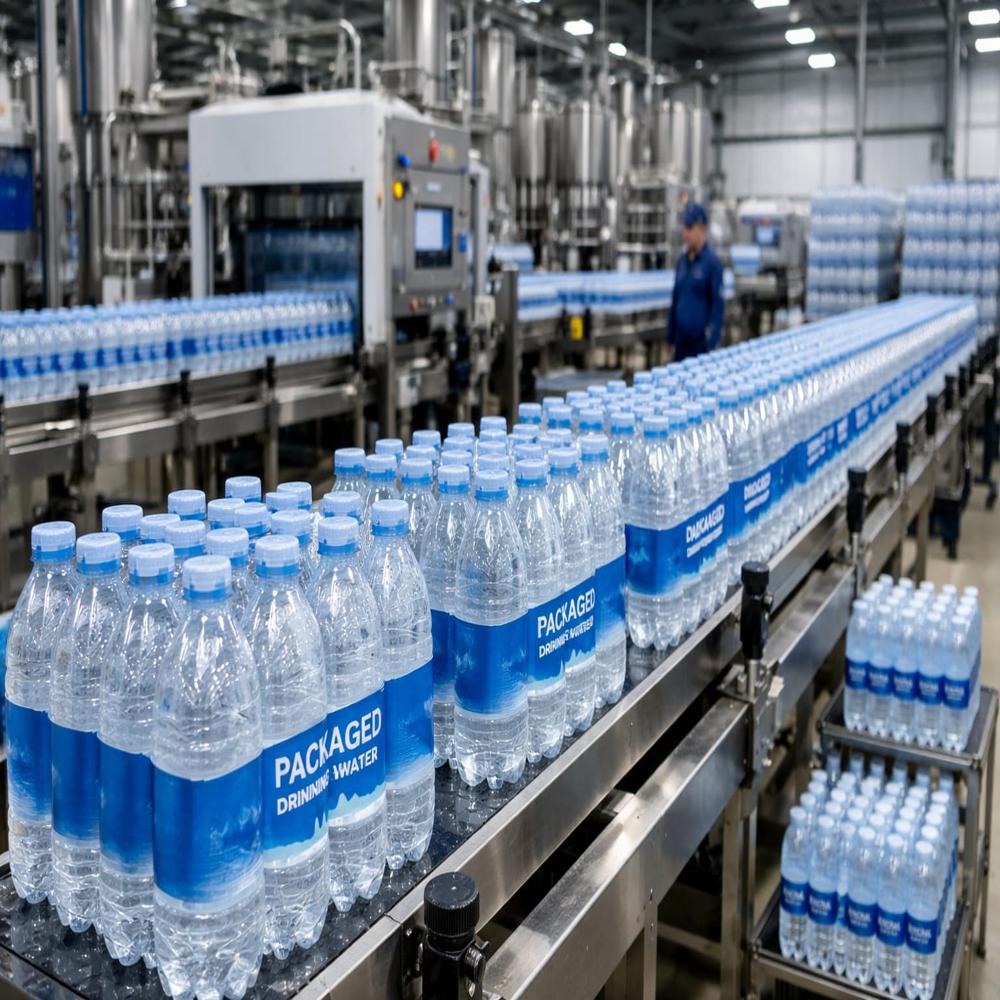
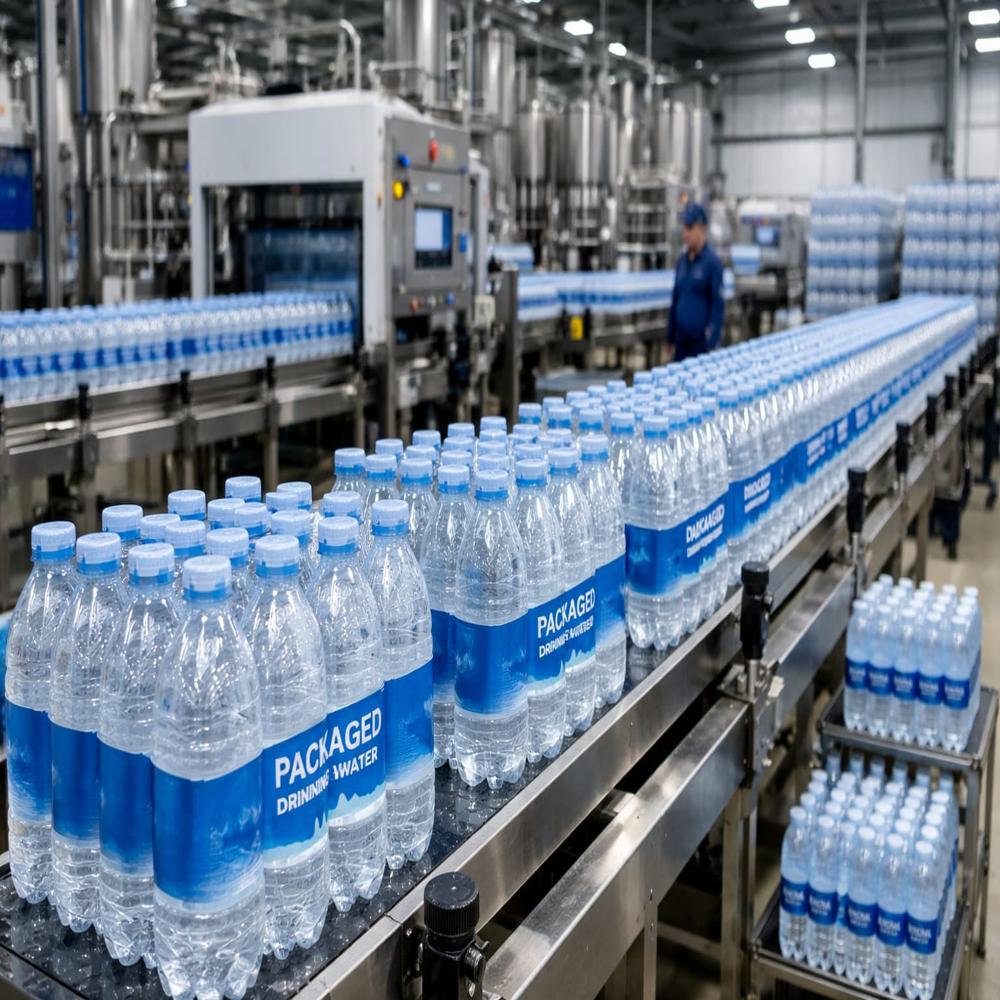
automatic mineral water treatment plants Automatic mineral water treatment and bottling plants use end-to-end PLC-controlled systems to purify raw water, add essential minerals, and rinse, fill, seal, and label PET bottles with minimal human intervention. Key Treatment & Production Stages Pre-Treatment & Filtration: Uses sand filters, activated carbon filters, and micron cartridge filters to remove suspended solids, chlorine, odors, and large particles. Reverse Osmosis (RO) & UV/Ozonation: Forces water through high-rejection membranes to dissolve salts and contaminants, followed by UV sterilization and ozonation for microbiological safety. Mineral Enrichment: Reintroduces essential minerals like calcium, magnesium, and potassium post-RO to balance taste and pH. Automated Packaging (RFC Machine): Rinses, fills, and caps bottles via an automatic rotary rinsing-filling-capping (RFC) block with "no bottle, no fill" safety logic. End-of-Line Automation: Integrates automatic batch coding, dot labeling, and shrink-wrapping machines for final case
Flexible Capacity & Advanced AutomationChoose a treatment solution that matches your production scale, from 500 to 20,000 liters per hour. The plant's automation is managed by a digital PLC-based control panel, ensuring seamless, accurate, and reliable water purification with minimal human intervention.
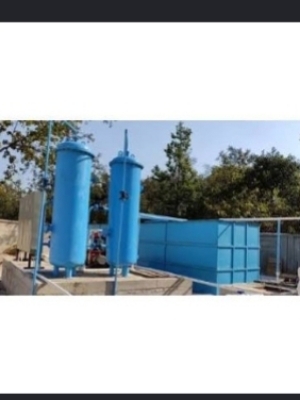
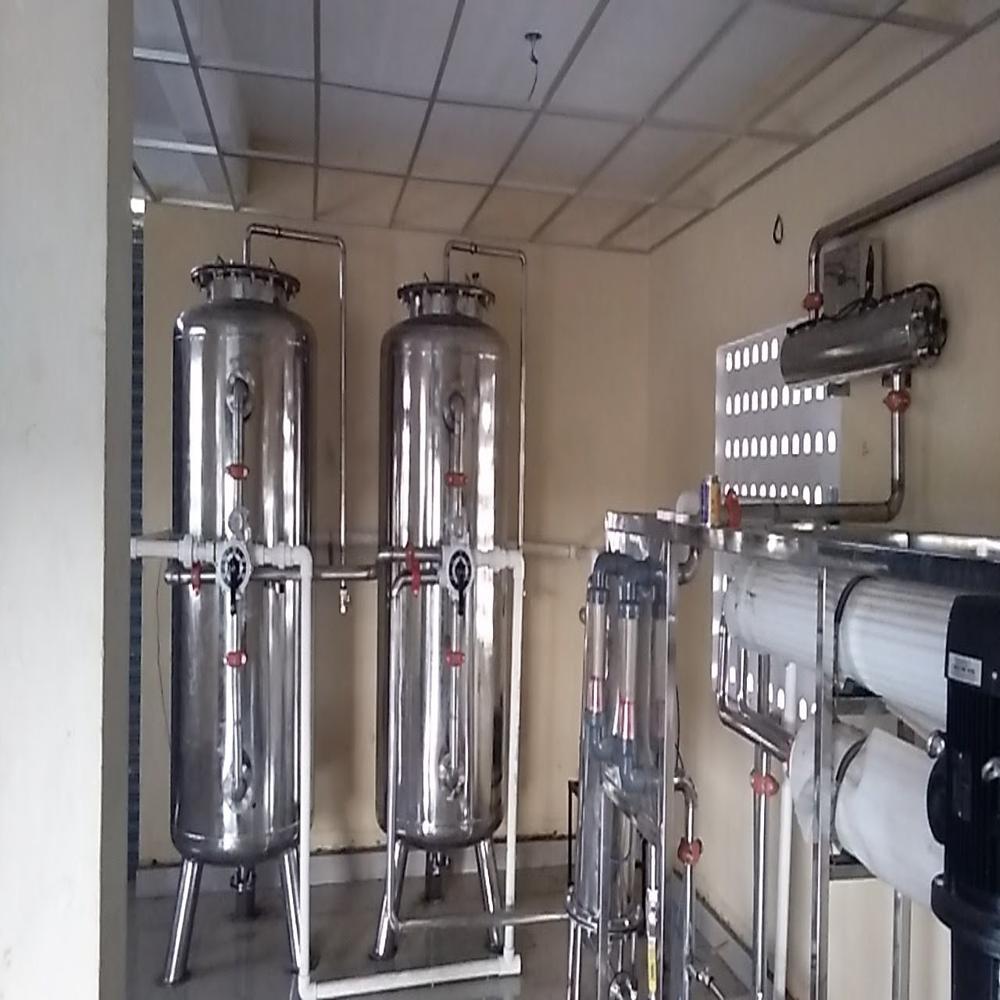
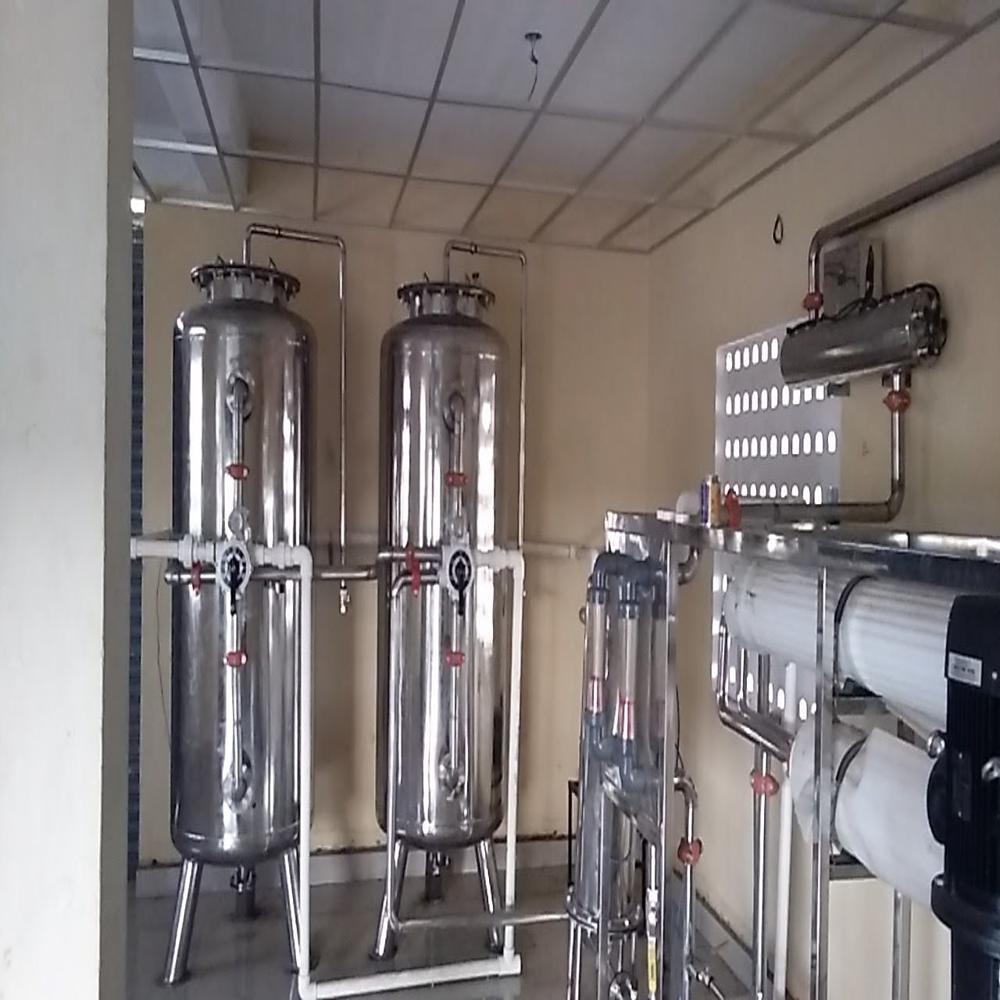
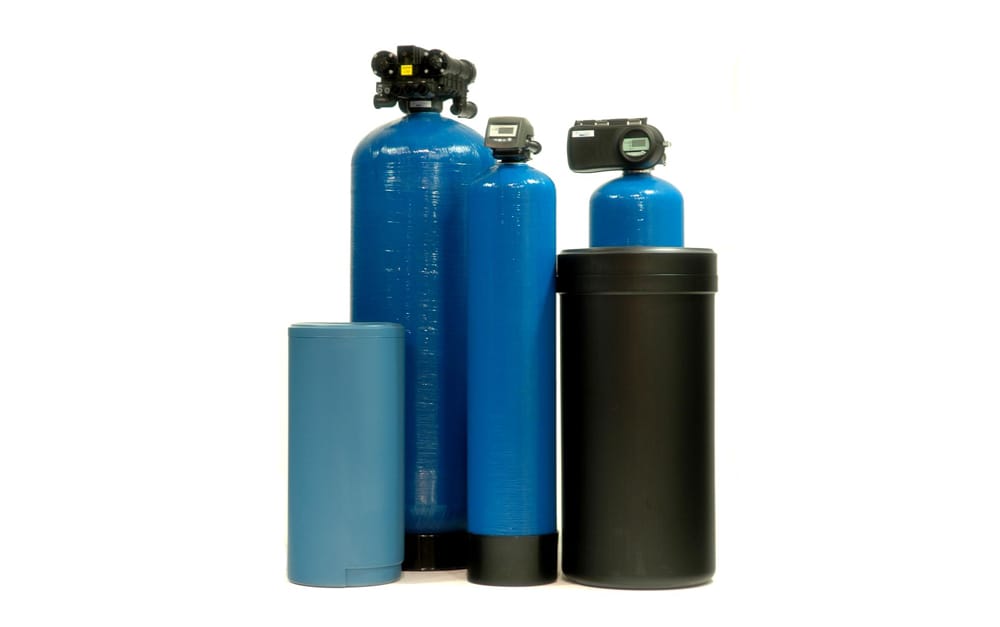
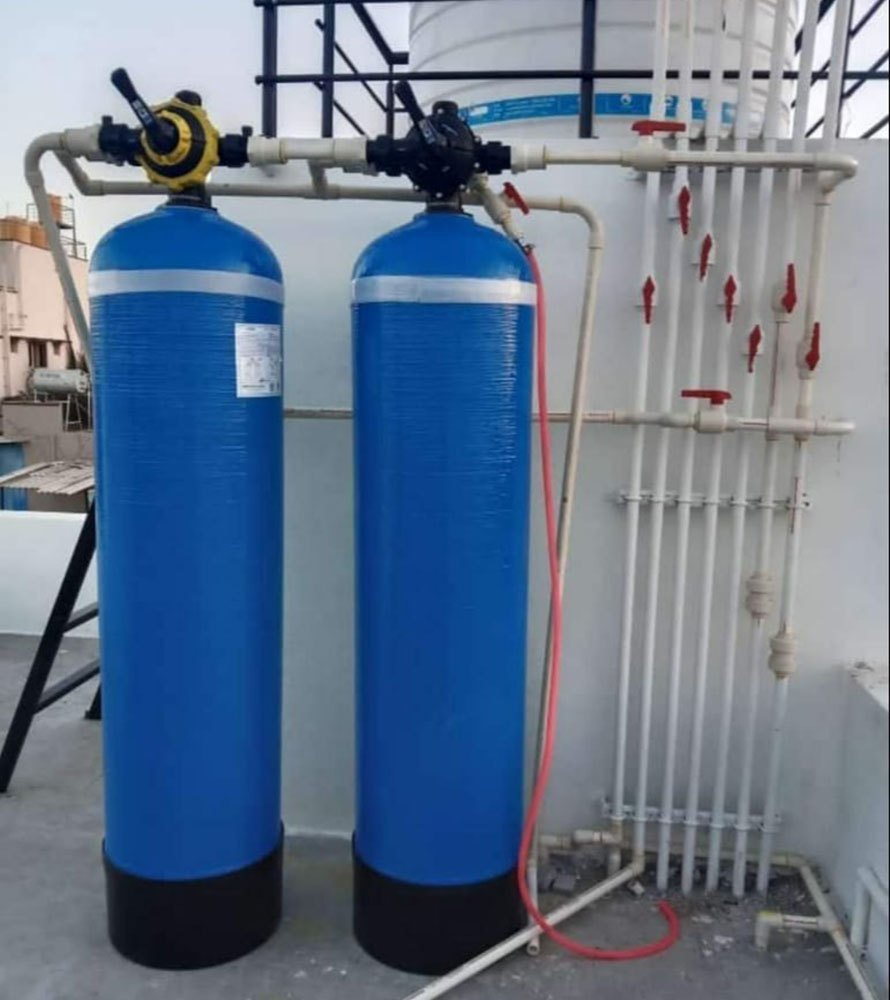
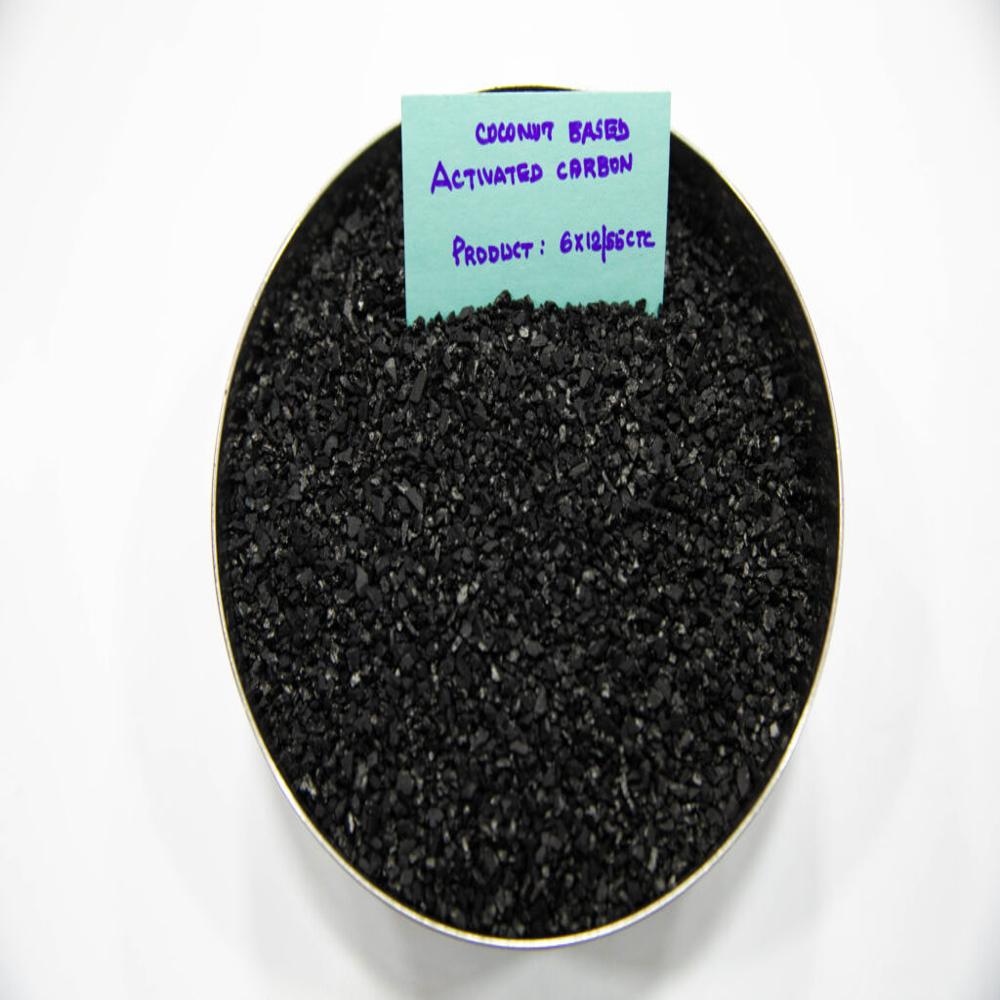
Superior Construction & Multi-Stage FiltrationBuilt using high-quality stainless steel, MSFR, and FRP, these plants are robust and designed for extended use. Our multi-stage filtration, including multi-grade sand and activated carbon filters, efficiently removes impurities. For optimum safety, choose from UV, ozone, or chlorination disinfection options.
Wide Compatibility & Easy InstallationOur systems accommodate water from borewells, municipal supplies, rivers, or other raw sources. Installation is performed onsite by experienced technicians, with both indoor and outdoor setups possible, providing flexibility for diverse industrial locations.
FAQ's of Automatic mineral water treatment plants:
Q: How does the automatic mineral water treatment plant operate?
A: The plant uses a fully automatic PLC-based control system that manages all stages, from filtering to disinfection, without constant supervision. It can adjust flow rates as needed and monitors performance to ensure consistent, high-purity output.
Q: What is the process flow in this mineral water treatment plant?
A: Raw water passes through multi-grade sand and activated carbon filters for impurity and odor removal, followed by disinfection via UV, ozone, or chlorination. The treated water meets BIS/IS/WHO standards and is ready for industrial or bottled use.
Q: When should periodic maintenance be carried out?
A: Maintenance intervals depend on the manufacturer's guidelines and operational intensity, but typically include regular filter inspection, system cleaning, and checks of the automation panel. Consistent maintenance ensures optimal performance and a long operational lifespan.
Q: Where can this treatment plant be installed?
A: These plants support flexible installation-indoors or outdoors-tailored to your site requirements. Onsite installation services are provided to ensure correct setup for varied industrial settings.
Q: What are the benefits of using this automated system for industrial water purification?
A: The system offers up to 99.9% water purity, meets international standards, and reduces labor with its automation. Its robust construction and adaptability to different water sources make it suitable for a wide range of industrial and bottling applications.
Q: How does the plant ensure compliance with quality standards?
A: The treatment stages and disinfection options are designed to meet strict BIS/IS/WHO water quality standards, confirmed through testing and intelligent digital monitoring by the PLC control panel.
Q: What power supply and temperature conditions are required for optimal operation?
A: The plant operates on 220V or 380V, 50Hz power and is engineered to function efficiently within temperatures ranging from 5C to 45C, making it suitable for various industrial environments.




 Send Inquiry


 Send Inquiry
 Send Inquiry
 Send SMS
 Call Me Free
